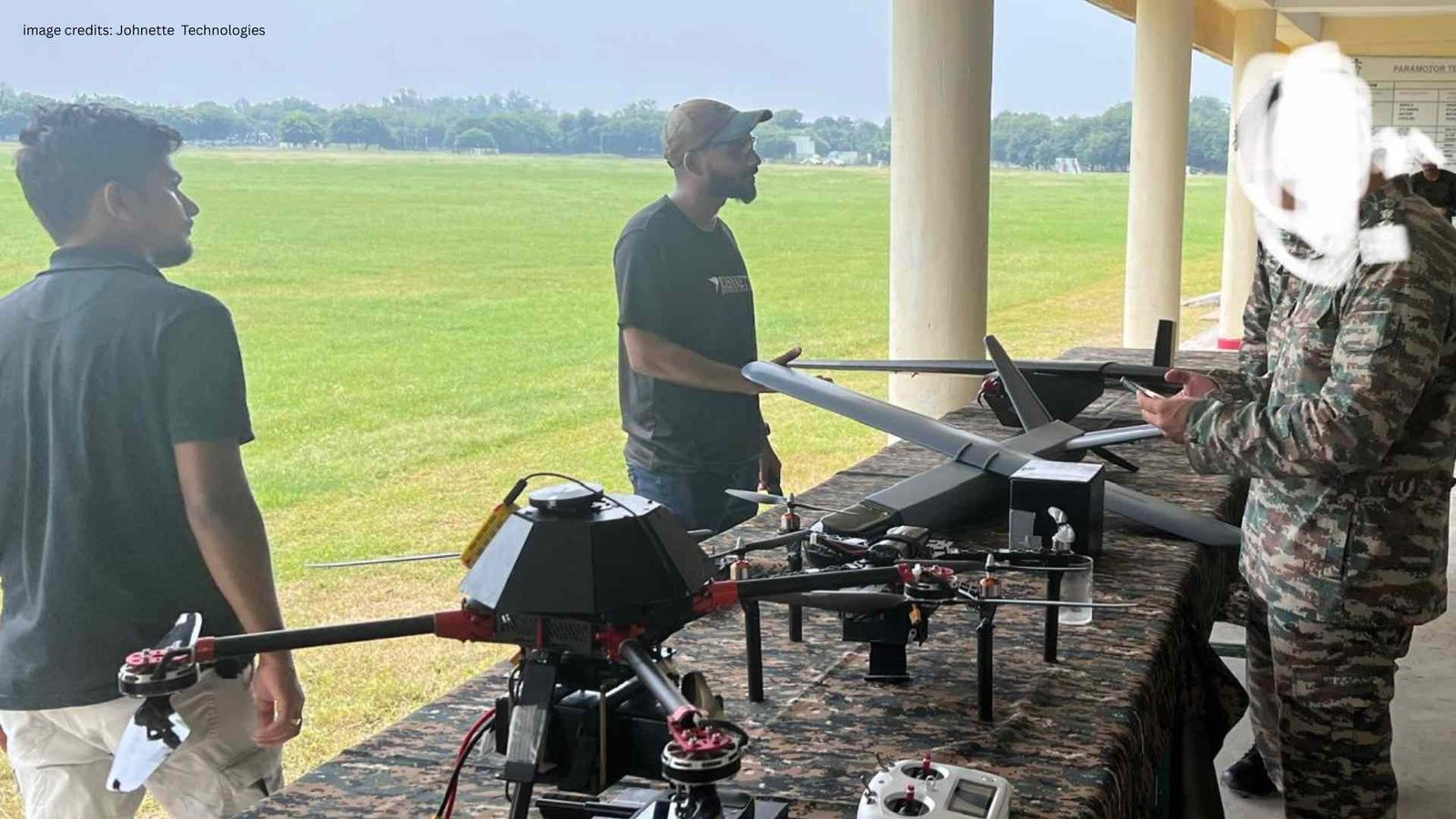
“To become a global power, the country must have a self-reliant defence sector driven by indigenous innovation and advanced technologies. Bold thinking and innovation are key to transforming our security landscape.”
– Dr APJ Abdul Kalam, Former President of India
Introduction
From Ukraine to West Asia and closer home during Operation SINDOOR, current conflicts reflect a decisive shift in modern wars, where machine guns, artillery and tanks — once the dominant forces on the battlefield — have seen their roles diminished. Instead, emphasis has shifted toward advanced technologies, precision weaponry and asymmetrical tactics that redefine traditional combat dynamics. Cutting-edge technologies such as artificial intelligence, unmanned aerial vehicles and unmanned underwater vessels are taking centerstage. The mass electronic sabotage unleashed in Lebanon, allegedly orchestrated by the Israel Defence Forces along with the country’s spy agency, Mossad, serves a stark reminder of the shifts that have taken place in this new faceless war.
Evolution of technology has impacted warfare, but technological advantage may just be reduced to a tactical level when it is taken away from the larger strategic context and regarded as the “sole driver” of success in a war. Recognizing the need for the Indian military to enhance its readiness in advanced and emerging technologies, a national emphasis has been placed on enhancing research and development (R&D) in these areas.
Following the lead set by the U.S. and Israel, India is now tapping its domestic start-up ecosystem for technological innovation and self-reliance in defence. Indian entrepreneurs are developing niche technologies overtime, which will boost the Indian military’s combat capabilities.
Old is no Longer Gold
Traditionally, India’s defence sector was dominated by large public sector undertakings and global defence giants. This is undergoing a transformation driven by the emergence and active contribution of startups. These nimble, innovation-driven entities are infusing fresh ideas, and agile approaches into defence equipment production, contributing significantly to the sector’s growth and transformation.
The Indian government has been quick to recognize the immense potential of startups in revolutionizing the defence sector and has taken proactive measures to support their engagement. Initiatives such as the Innovations for Defence Excellence (iDEX) have been launched to create an ecosystem connecting defence industries including micro, small and medium enterprises, startups, individual innovators, academia and R&D institutes to promote innovation and provide a platform for startups to collaborate with the armed forces and defence public sector undertakings (DPSUs). The initiative bridges startups with the military, to innovate cutting-edge solutions tailored to defence requirements.
“INDIA NEEDS YOUR EXPERTISE AND ENTHUSIASM. THE DOORS ARE OPEN FOR INNOVATION, THE POLICIES ARE SUPPORTIVE AND THE OPPORTUNITY IS UNPRECEDENTED. TOGETHER WE WILL MAKE INDIA NOT JUST AATMANIRBHAR IN DEFENCE BUT A GLOBAL LEADER IN DEFENCE MANUFACTURING”.
– PRIME MINISTER NARENDRA MODI
Today, India arguably boasts of the world’s largest defence startup ecosystem. Initially, few believed that startups could significantly address defence needs. However, these entities quickly adapted to meet the challenges thrown at them. Startups now hold the largest market share for armed forces procurement requirements after DPSUs and private industry, with this trend expected to grow in coming years. This success stands as a testament to the collaborative efforts of policymakers, academia, armed forces leadership, and the innovative young minds whose zeal and passion are driving this transformative journey of nation-building.
An Ambitious Vision
The government’s roadmap to making India a $5 tn economy includes measures like inclusive growth, promoting digital economy, fintech, technology-enabled development, climate action, and relying on a virtuous cycle of investment and growth. The guiding vision of Indian defence startups centers around innovation, self-reliance, and technological excellence to transform defence capabilities and reduce dependence on foreign imports. At its core is the goal to craft state of the art, home grown solutions that address India’s unique and diverse security challenges while aligning with global standards. These startups aim to leverage advancements in technologies like artificial intelligence, unmanned systems, cyber defence, and smart sensors to enhance our national security – glaciated mountains to deserts to sea shores, boost operational readiness and strategic capabilities. Startups are building advanced capabilities such as long-endurance drones, robotic swarms, AI-based surveillance systems, precision guidance kits, and more, often in collaboration with armed forces.
This vision is inspired by initiatives such as “Aatmanirbhar Bharat” and “Make in India,” which emphasize developing robust defence technologies indigenously. Striving to provide adaptable and mission-specific solutions for the armed forces while fostering a culture of innovation and R&D within the industry, startups have led in defence innovation with unprecedented speed and scale. Driven by a culture of cost efficiency, they have delivered economical alternatives to traditionally expensive imports.
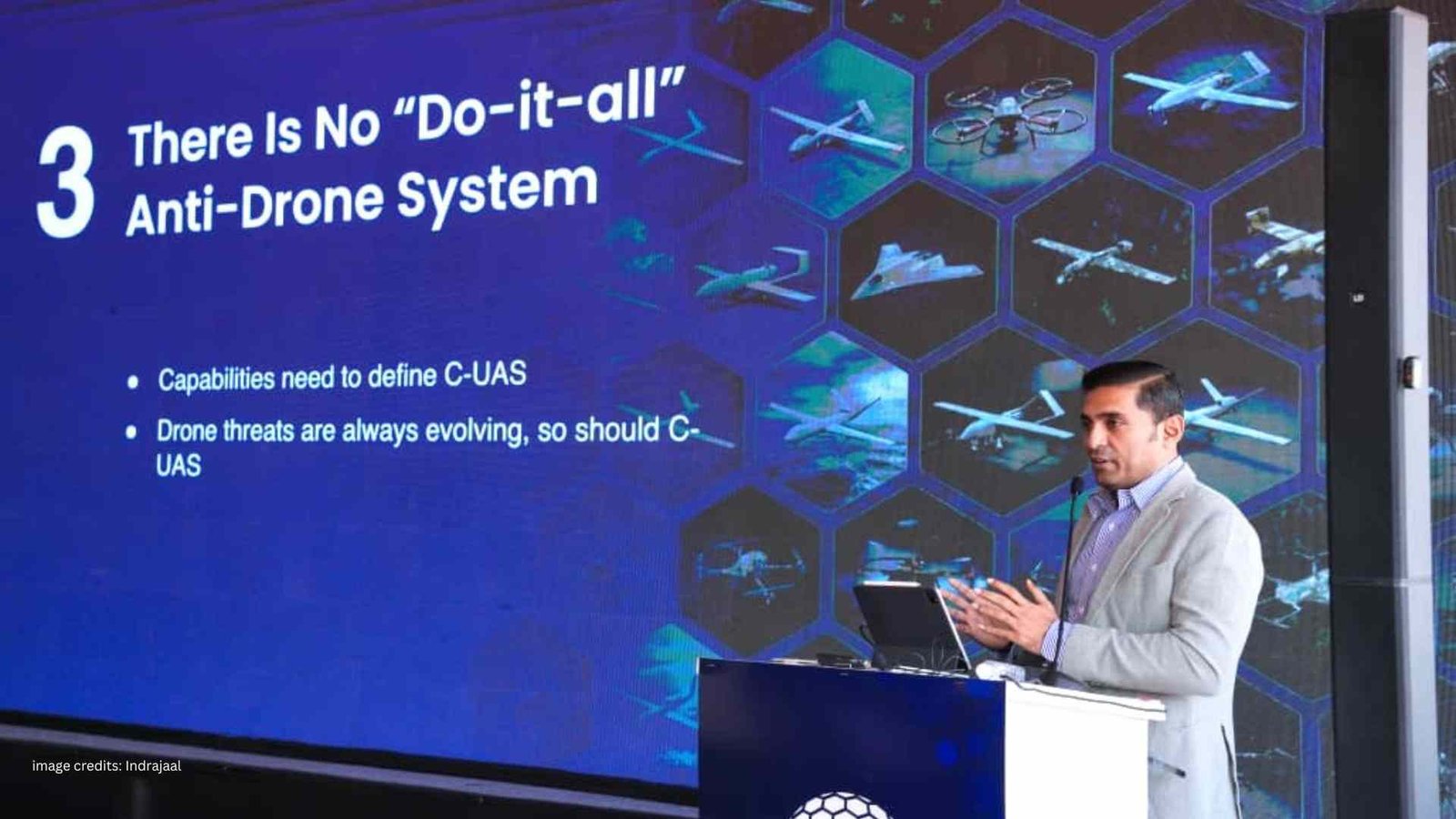
Drivers of Innovation, Reversing Brain Drain
While India’s state-owned DPSUs will likely remain the mainstay of defence procurement in the foreseeable future, start-ups can go a long way in equipping the armed forces with niche capabilities. With smaller companies pioneering high-tech solutions, the Indian Armed Forces have the potential to become a modern, tech-empowered force in the coming decades.
Startups are also unique for their quick turnaround times in R&D and prototyping. Unlike traditional defence firms that may have long development cycles, startups can rapidly develop, test, and iterate prototypes, allowing for quicker integration of new technologies into active defence use.
The emergence of marquee startups in India has transformed ‘business’ into a highly attractive career path, extending well beyond the traditional mercantile community. “Nearly 40% of India’s startup founders and leaders come from premier engineering colleges and business schools, such as the IITs and IIMs. This trend has reversed the nation’s ‘brain drain’ by not only retaining the best and brightest in India, but also by attracting top quality talent of Indian origin back into the country. Finally, capital inflows from global investors have helped catalyse the entrepreneurial spark in India. Government data shows significant integration of startups into the broader defence manufacturing ecosystem, with orders and contracts awarded to hundreds of MSMEs and innovators in recent years.
Furthermore, defence startups are making early forays into markets in Southeast Asia, Africa, and the Middle East. For a country that has traditionally been one of the world’s largest importers of defence equipment, these efforts could elevate India’s position as an exporter, contributing to a more balanced trade portfolio in addition to geopolitical influence.
Challenges Persist
Notwithstanding all the encouragement and facilitation, defence startups must operate in a challenging environment characterised by high barriers to entry, complex regulatory frameworks and intense scrutiny. The armed forces maintain exceptionally high qualitative standards and demand only the best of the best when it comes to their equipment. Navigating stringent government regulations and security clearances can lead to delays in product development and deployment. Investors often ask founders to stretch the current funding runway for longer by reducing cash burn and pose tougher questions around the sustainability of business models as well as profitability.
Regulatory Hurdles
One of the primary challenges for startups is navigating India’s complex and often opaque regulatory framework. Lengthy procurement processes, numerous approvals, and bureaucratic hurdles can stifle innovation. While initiatives like iDEX are steps in the right direction, streamlining regulatory processes further, is essential for accelerating growth. Startups trying to supply innovative drone solutions often experience significant lag times due to complex licensing protocols and the extensive testing protocols essential for operational clearance, creating barriers for timely deployment and scaling. India still lacks the agility of countries with established defence industries like the United States or Israel, where startups can quickly take a concept from prototype to deployment.
Capital Infusion and Investor Engagement
Developing advanced defence technologies requires substantial investment in research and development, making access to capital a critical challenge. Traditional venture capitalists often shy away from investing in defence projects due to long gestation periods and high costs. There is a need for dedicated defence innovation funds and public-private partnerships that could help startups overcome funding hurdles and reduce investment risks.
Support by Big Players
While collaboration with established DPSUs and large private players is crucial, it can be challenging for startups to form meaningful partnerships due to differences in scale, speed, and risk tolerance. This requires mechanisms that facilitate structured partnerships, fostering an ecosystem where innovation thrives, and startups can scale up their products more effectively. Differences in organisational structures, project timelines, and risk tolerance can often impede smooth collaboration.
Market Access and Export Challenges
Accessing domestic defence contracts is difficult, but expanding into international markets poses an even greater challenge for startups due to competition from established global players, stringent export controls, and compliance standards. A robust export support system, providing regulatory clarity, market intelligence, and diplomatic assistance will certainly facilitate our startups to compete globally.
Building Indigenous Supply Chains
While India’s startups are increasingly developing advanced products, they remain reliant on foreign suppliers for specialised components, such as microelectronics and high-grade composites. This dependency undermines the government’s ambitions for a fully self-reliant defence industry. For startups focused on critical defence technologies like autonomous vehicles or combat simulations, access to testing ranges and laboratories is crucial but availability remains limited.
Overcoming these challenges requires a holistic approach, blending policy reforms, investment incentives, talent development, and strategic collaborations. By addressing these obstacles, India’s defence startups can truly become engines of innovation, driving self-reliance and global competitiveness in defence technology. Allowing startups to bypass some traditional procurement steps for trial contracts, rapid prototyping, and testing partnerships could significantly shorten time-to-market and help Indian startups keep pace with technological advances.
Conclusion
India’s defence startups symbolise both an economic and strategic imperative. While challenges remain — particularly around funding, policy, and scale, defence startups are essential to achieving self-reliance and economic growth in the defence sector. Addressing these challenges requires a concerted effort from both the government and the private sector. Reforms in procurement processes, enhanced investment in R&D and structured public-private partnerships, can unlock the full potential of India’s defence startups. By building a supportive ecosystem, India can harness the power of its startups to modernise its defence capabilities, create jobs, and establish itself as a global defence technology hub.