
While attending the high-profile Shanghai Cooperation Organisation (SCO) Defence Ministers’ Meeting in Qingdao, China, Indian Raksha Mantri (Defense Minister) Shri Rajnath Singh met with his Russian counterpart, Mr. Andrey Belousov. This meeting was held on the margins of the SCO Defence Ministers’ Meeting in Qingdao, where the two allied nations reinforced their support for each other while strengthening defense ties. The critical dialogue comes amid intensifying regional security dynamics and the growing imperative for strategic defense cooperation.
Strengthening Indo-Russian Strategic Ties At The SCO Defense Ministers’ Meeting

Attending the 22nd SCO Defence Minister’s Meeting, both ministers conducted detailed deliberations covering pressing geopolitical challenges, the menace of cross-border terrorism, and the deep-rooted Indo-Russian defense partnership. Minister Belousov emphasized the historical depth and resilience of bilateral relations, reiterating Russia’s unwavering commitment to India as a strategic defense partner.
In a strong expression of solidarity, the Russian Defence Minister condemned the heinous terrorist attack in Pahalgam, Jammu & Kashmir on April 22, labeling it a “cowardly act” and extending heartfelt condolences to the victims and their families. This expression of support underscores the shared counter-terrorism objectives between the two nations, particularly in the context of escalating regional threats.
Raksha Mantri On Indo-Russia Bilateral Talks: Operation Sindoor and Modernization Imperatives
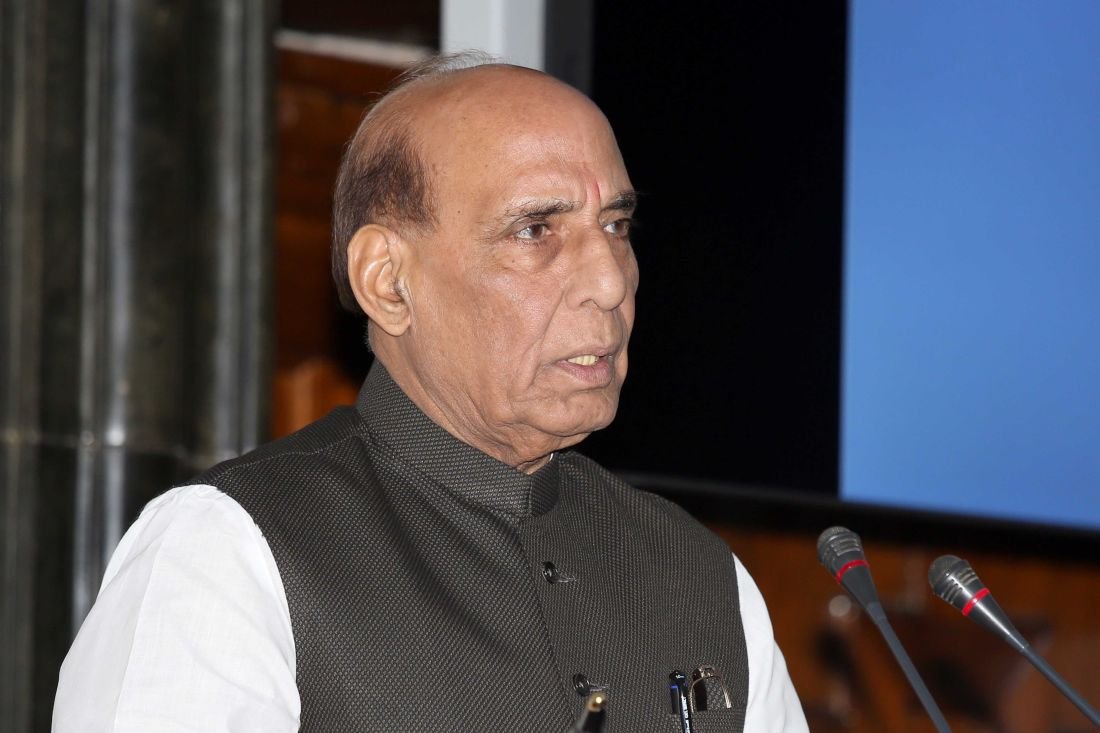
The bilateral talks, held in the aftermath of Operation Sindoor, a large-scale counter-insurgency and military stabilization mission recently executed by the Indian Armed Forces, are not only significant but equally relevant to the forum. The successful implementation of the operation only serves to underline the urgent requirement for enhanced indigenous defense manufacturing, technology transfer, and modernization of critical systems.
Thus, the bilateral discussion between the two ministers was mostly on accelerating the procurement and deployment of strategic platforms, with special emphasis on:
- Air defense systems to counter aerial threats and UAV intrusions.
- Air-to-air missile systems to bolster air superiority.
- Advanced avionics and sensor integration to extend combat reach and situational awareness.
Agenda of The High-Level Diplomatic Meeting
Among the most consequential outcomes of the meeting was the reaffirmed commitment to the timely supply and upgrade of key defense platforms. The agenda included:
- Expedited delivery of the S-400 Triumf Air Defence Systems, already a cornerstone of India’s layered air defense strategy.
- Upgrades to the Su-30MKI fleet, focusing on indigenous avionics, enhanced radar capabilities, and long-range strike potential.
- Procurement of critical spares and frontline equipment to ensure combat readiness and sustain operational tempo across theaters.
These discussions reflect India’s broader push toward autonomy and self-reliance in defense manufacturing capability, including co-development and co-production under the ‘Make in India’ and Aatmanirbhar Bharat initiatives.
Strategic importance of the SCO Platform
Held under the framework of the Shanghai Cooperation Organisation, the Qingdao Defence Ministers’ meeting further reinforced the importance of multilateral defense dialogue in maintaining Eurasian stability. The SCO continues to serve as a vital platform for counter-terrorism coordination, regional security cooperation, and collaborative defense diplomacy.
India, as an active member of the SCO, remains committed to a rules-based international order, regional sovereignty, and cooperative military partnerships that promote peace and deterrence in a world with an ever-changing geopolitical landscape.
Future Imperatives and Significance of The Bilateral Talks
The Raksha Mantri’s bilateral dialogue with his Russian counterpart signals a robust reaffirmation of strategic defense ties between New Delhi and Moscow. As both nations navigate an increasingly complex global security landscape, such engagements are instrumental in enhancing interoperability, securing critical supply chains, and ensuring preparedness for future conflict scenarios.
India’s Ministry of Defence continues to prioritize high-level strategic consultations with trusted partners to safeguard national interests and uphold regional stability. Furthermore, as India moves towards modernization of its armed forces and grows its defense manufacturing capabilities, it will need strategic partners to meet its long-term goals of a rules-based international order and regional sovereignty.


